The Ultimate At-Home Dental Care Toolkit: Dentist-Approved Products for a Healthy Smile
When you visit Thompson’s Family Dentistry for your bi-annual checkup, our hygienists use professional-grade tools to remove hardened plaque and polish your teeth to a brilliant shine. However, the true foundation of a healthy, beautiful smile isn’t built in the dental chair—it is built in your own bathroom.
What you do daily matters immensely. The hours between your dental visits are when plaque tries to accumulate, acids attack your enamel, and bacteria look for places to hide. To fight back, you need the right tools. Walking down the oral care aisle at your local pharmacy can be overwhelming, with hundreds of products claiming to give you a perfect smile.
To take the guesswork out of your shopping trip, the team at Thompson’s Family Dentistry has put together the ultimate at-home dental care toolkit. Here are the essential, dentist-approved products you need in your bathroom cabinet to maintain a healthy, cavity-free smile.
1. The Right Toothbrush (Manual or Electric)
Your toothbrush is the MVP of your oral hygiene routine. While both manual and electric toothbrushes can be effective, they each require a different approach.
Electric Toothbrushes: At Thompson’s Family Dentistry, we highly recommend electric toothbrushes for most of our patients. Brands like Oral-B (oscillating-rotating) and Philips Sonicare (sonic vibrations) do the heavy lifting for you. They produce thousands of brush strokes per minute, which is proven to remove significantly more plaque than manual brushing. Look for a model with a built-in two-minute timer and a pressure sensor to prevent you from brushing too hard and damaging your gums.
Manual Toothbrushes: If you prefer a manual brush, the most important feature to look for is soft bristles. Medium or hard bristles can actually scrub away your protective enamel and cause your gums to recede over time. Choose a brush with a small head so you can easily maneuver it around the back of your molars. Remember to use gentle, circular motions rather than aggressive back-and-forth sawing.
Rule of Thumb: Whether you use manual or electric, you must replace your brush head every 3 to 4 months, or sooner if the bristles start to fray.
2. Fluoride Toothpaste
Not all toothpastes are created equal. While charcoal and natural, fluoride-free pastes have become trendy, they often lack the essential ingredients needed to actively protect your teeth from decay.
The Power of Fluoride: Fluoride is a naturally occurring mineral that is the most effective ingredient for preventing cavities. It works by remineralizing (rebuilding) weakened tooth enamel, making it more resistant to the acid attacks that cause tooth decay. Always look for the ADA (American Dental Association) Seal of Acceptance on the box to ensure it contains safe and effective levels of fluoride.
Targeted Pastes: If you have specific concerns, you can upgrade your fluoride paste. For sensitive teeth, look for a paste containing potassium nitrate (like Sensodyne), which helps block the nerve pathways inside the tooth. If you are prone to gingivitis, look for stannous fluoride, which has excellent antibacterial properties.
3. Interdental Cleaners (String Floss and Water Flossers)
Your toothbrush can only clean about 60% of your tooth surfaces. The other 40% lies in the tight spaces between your teeth. If you aren’t cleaning between your teeth, you are leaving behind a massive amount of food debris and plaque, which will quickly turn into tartar and lead to gum disease.
Traditional String Floss: This is the gold standard for scraping sticky plaque off the sides of your teeth. Waxed floss tends to slide easier between tight teeth, while woven floss can grab more debris.
Water Flossers: If you have braces, bridges, or simply hate traditional flossing, a water flosser (like a Waterpik) is an incredible investment. It uses a pressurized, pulsating stream of water to blast away plaque and flush out bacteria from deep gum pockets.
Floss Picks and Interdental Brushes: If you struggle with the dexterity required for string floss, floss picks or tiny interdental brushes are great alternatives to keep in your purse or car for post-meal cleaning.
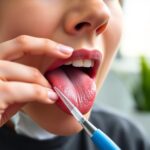
4. A Tongue Scraper
Did you know that the majority of bad breath (halitosis) originates from the tongue? Your tongue has a rough, highly textured surface covered in tiny bumps called papillae. Bacteria, dead skin cells, and food particles get trapped in these crevices, forming a white or yellowish film.
While you can brush your tongue with your toothbrush, a dedicated tongue scraper is much more effective. Made of plastic, copper, or stainless steel, a tongue scraper physically sweeps this biofilm off the surface of your tongue. Using it every morning not only instantly freshens your breath but also improves your sense of taste and reduces the overall bacterial load in your mouth.
5. Therapeutic Mouthwash
Mouthwash is an excellent addition to your routine, but it should never replace brushing and flossing. When choosing a mouthwash, skip the cosmetic rinses that just mask bad breath and look for a therapeutic rinse.
Fluoride Rinses: Excellent for people prone to cavities, giving your teeth an extra bath of enamel-strengthening minerals before bed.
Antibacterial Rinses: If you struggle with bleeding gums or gingivitis, an antibacterial rinse containing cetylpyridinium chloride (CPC) or essential oils (like Listerine) can help reduce plaque buildup and gingivitis.
Tip: Avoid mouthwashes with high alcohol content if you suffer from dry mouth, as alcohol is a drying agent that can make the problem worse.
Putting It All Together
Owning the right products is only half the battle; using them consistently is the key to success. Your daily routine should include brushing for two full minutes twice a day, flossing at least once a day (preferably at night), and tongue scraping in the morning.
By upgrading your at-home toolkit, you are taking proactive steps to protect your smile and your wallet from unexpected dental issues. Of course, even the best home care routine cannot remove hardened tartar or catch early signs of decay. That is where we come in!
If it is time for your professional cleaning, or if you want personalized recommendations on which dental products are best for your specific needs, contact Thompson’s Family Dentistry today. We are always here to help you achieve your healthiest, happiest smile.
 Previous Post
 Next Post