How to keep White Teeth

Having a bright, white smile is about more than appearance — it can boost confidence and signal good oral health. While genetics and age influence tooth color, many effective, safe habits and treatments can help keep teeth white. This guide covers daily routines, diet and lifestyle choices, oral-care products, professional options, and how to protect enamel while whitening.
Understand why teeth discolor To choose the right prevention and whitening strategies, it helps to understand common causes of discoloration:
- Extrinsic stains: Surface stains from foods (coffee, tea, red wine), tobacco, and some medications. These are usually removable with brushing, professional cleanings, or whitening products.
- Intrinsic stains: Deeper discoloration from trauma, certain antibiotics taken during tooth development, excessive fluoride, or aging. These may need professional treatments such as bleaching, bonding, or veneers.
- Yellowing with age: Enamel thins over time, revealing more of the underlying dentin, which is naturally more yellow.
Daily oral-care routine Consistent, proper oral hygiene is the foundation for keeping teeth white.
- Brush twice daily with fluoride toothpaste: Use a soft-bristled brush and a gentle, thorough two-minute routine. Brushing removes plaque and surface stains before they set.
- Floss daily: Flossing removes plaque and food debris between teeth where stains can form and lead to gum disease, which indirectly affects appearance.
- Rinse or brush after staining foods/drinks: If you drink coffee, tea, red wine, or consume dark sauces, rinse your mouth with water afterward or brush within 30–60 minutes to prevent staining. Immediate brushing after highly acidic foods can damage softened enamel; rinsing first is safer.
- Use an antiseptic or fluoride mouthwash: Mouthwash can reduce bacteria, strengthen enamel, and help maintain a polished look when used as part of your routine.
Diet and lifestyle tips Small changes in what you eat and how you live make a big difference over time.
- Limit staining beverages: Coffee, tea, red wine, cola, and certain fruit juices contribute to extrinsic stains. Reduce intake, switch to lighter-colored options, or drink through a straw to minimize contact with teeth.
- Rinse or drink water after meals: Water helps wash away pigments and acids. Sipping water throughout the day also stimulates saliva, which neutralizes acids and helps clean teeth naturally.
- Eat crunchy, fiber-rich produce: Apples, carrots, celery, and pears act as natural cleansers that help remove surface stains and boost saliva flow.
- Avoid or quit tobacco: Smoking and chewing tobacco are among the strongest contributors to stubborn stains and overall oral health problems. Quitting improves whitening and reduces risk of gum disease, bad breath, and oral cancer.
- Limit sugary and acidic foods: Frequent sugar and acid exposure weakens enamel and makes teeth more prone to staining. Choose balanced snacks and avoid constant grazing.
Over-the-counter products: pros and cons There are many OTC whitening options; understanding how to use them safely helps avoid sensitivity and enamel damage.
- Whitening toothpastes: These typically contain mild abrasives or low concentrations of peroxide. They remove surface stains and can gradually lighten teeth slightly. They are safe for daily use when used as directed.
- Whitening strips and gels: Contain peroxide-based bleaching agents and offer noticeable results over weeks. Follow directions carefully to avoid irritation and sensitivity. Avoid overuse, which can harm enamel and gums.
- Whitening rinses: Often less effective than strips because they have shorter contact time with teeth, but they can help reduce surface staining as a supplemental measure.
- Charcoal and DIY remedies: Activated charcoal and some home remedies are popular but may be abrasive or unproven. Charcoal can wear down enamel if used frequently. Avoid hydrogen peroxide or baking soda mixtures at high concentrations or prolonged use without dental guidance.
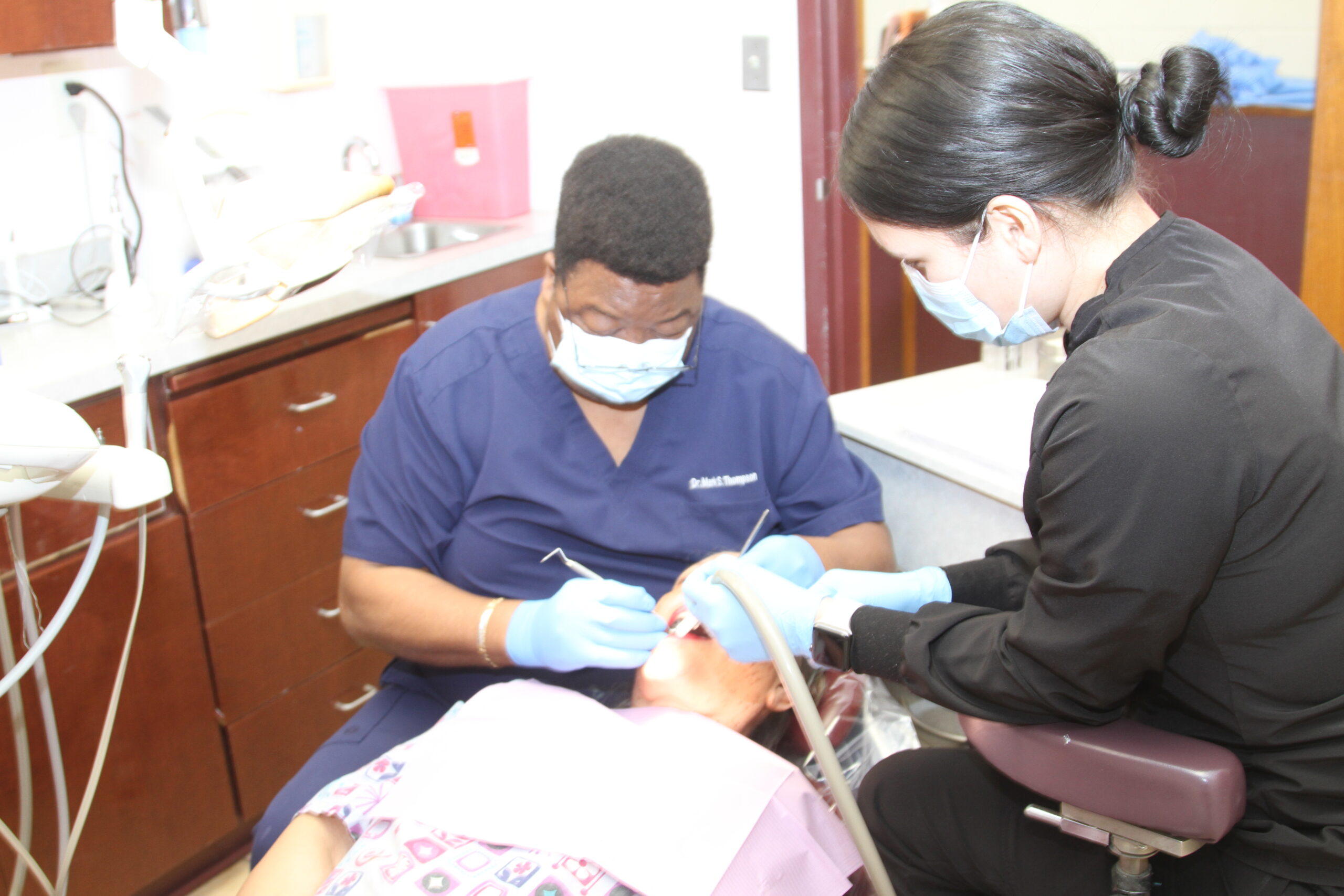
Professional whitening and restorative options For more dramatic or lasting results, consult a dentist about professional treatments.
- In-office bleaching: Dentists use higher-concentration peroxide gels and sometimes light-activated systems to achieve significant whitening in one or a few appointments. This is fast and supervised, reducing risk of complications.
- Take-home dentist kits: Custom-fitted trays with professional-strength bleaching gel let you whiten at home under dentist supervision. These balance potency and safety and typically deliver stronger results than OTC products.
- Bonding, veneers, or crowns: For intrinsic stains that don’t respond to bleaching or for teeth with structural issues, cosmetic restorations like composite bonding or porcelain veneers offer permanent color and shape correction. Discuss costs, longevity, and maintenance with your dentist.
- Professional cleanings: Regular dental cleanings remove tartar and surface stains inaccessible to home care, keeping teeth looking their best.
Protect enamel and reduce sensitivity Whitening works best and is safest when enamel is healthy.
- Use desensitizing toothpaste: If you experience sensitivity from whitening, switch to a toothpaste formulated for sensitivity. These contain potassium nitrate or stannous fluoride to reduce nerve discomfort.
- Follow product instructions and dentist advice: Over-bleaching or incorrect use of whitening agents can damage enamel and gums. Always follow recommended application times and concentrations.
- Time whitening around dental work: Whitening won’t change the shade of crowns, fillings, or veneers. If you plan restorations, whiten first to match restorations to the desired shade.
- Maintain fluoride exposure: Fluoride strengthens enamel and reduces decay risk. Your dentist may recommend topical fluoride treatments if you’re at high risk for enamel erosion.
Creating a long-term whitening plan Sustainable whitening combines prevention, maintenance, and occasional professional help.
- Establish consistent habits: Brush, floss, and visit your dentist regularly. These basic steps offer the best long-term protection against stains.
- Use whitening products cautiously: For periodic touch-ups, OTC strips or professional touch-up trays are useful. Avoid daily use of strong bleaching products.
- Schedule cleanings every 6 months: Professional cleanings remove stubborn surface stains and tartar, and your hygienist can offer personalized advice.
- Track dietary triggers: If coffee or other staining foods are important to you, consider reducing frequency or implementing protective strategies (straws, rinsing, or quick brushing).
When to see a dentist If stains persist despite good home care, or if you experience pain, sensitivity, or changes in tooth color that occur suddenly, see a dentist. They can diagnose intrinsic causes, recommend appropriate treatments, and ensure whitening is safe given your dental history.
Conclusion Keeping teeth white is a combination of daily preventive care, mindful eating and lifestyle choices, careful use of whitening products, and professional treatments when needed. Focus on protecting enamel, avoiding habits that cause staining, and consulting your dentist for safe, effective options suited to your teeth. With consistent care, you can maintain a healthy, confident, white smile.
 Previous Post
 Next Post