When should you take your child to the dentist?
The short answer: by their first birthday or within six months of the eruption of the first tooth — whichever comes first. This guideline, endorsed by major pediatric and dental organizations around the world, is rooted in preventing early childhood caries, establishing a dental home, and helping parents learn effective oral-care habits. Here’s a clear explanation of why early visits matter, what to expect, and practical guidance on timing, frequency, and special circumstances.
Why the “first birthday/first tooth” recommendation?
- Early childhood caries (ECC) is common and can start as soon as teeth erupt. The bacteria that cause decay can be transmitted from caregivers to infants via saliva (sharing utensils, cleaning pacifiers in the mouth), and decay progresses quickly in young teeth. An early dental visit lets the dentist identify risk factors and intervene before cavities form.
- Establishing a “dental home” early creates continuity of care. The dental home is a trusted place where your child’s oral health needs are managed comprehensively — including prevention, education, treatment, and coordination with other healthcare providers.
- Early visits help parents learn practical, age-appropriate oral hygiene: how to clean baby teeth, when to introduce a toothbrush and toothpaste, dietary habits that protect teeth, and safe use of bottles and sippy cups.
- Familiarity reduces anxiety. Introducing a child to the dental environment early makes future visits less intimidating and helps children adapt to dental routines.
What happens at the first visit?
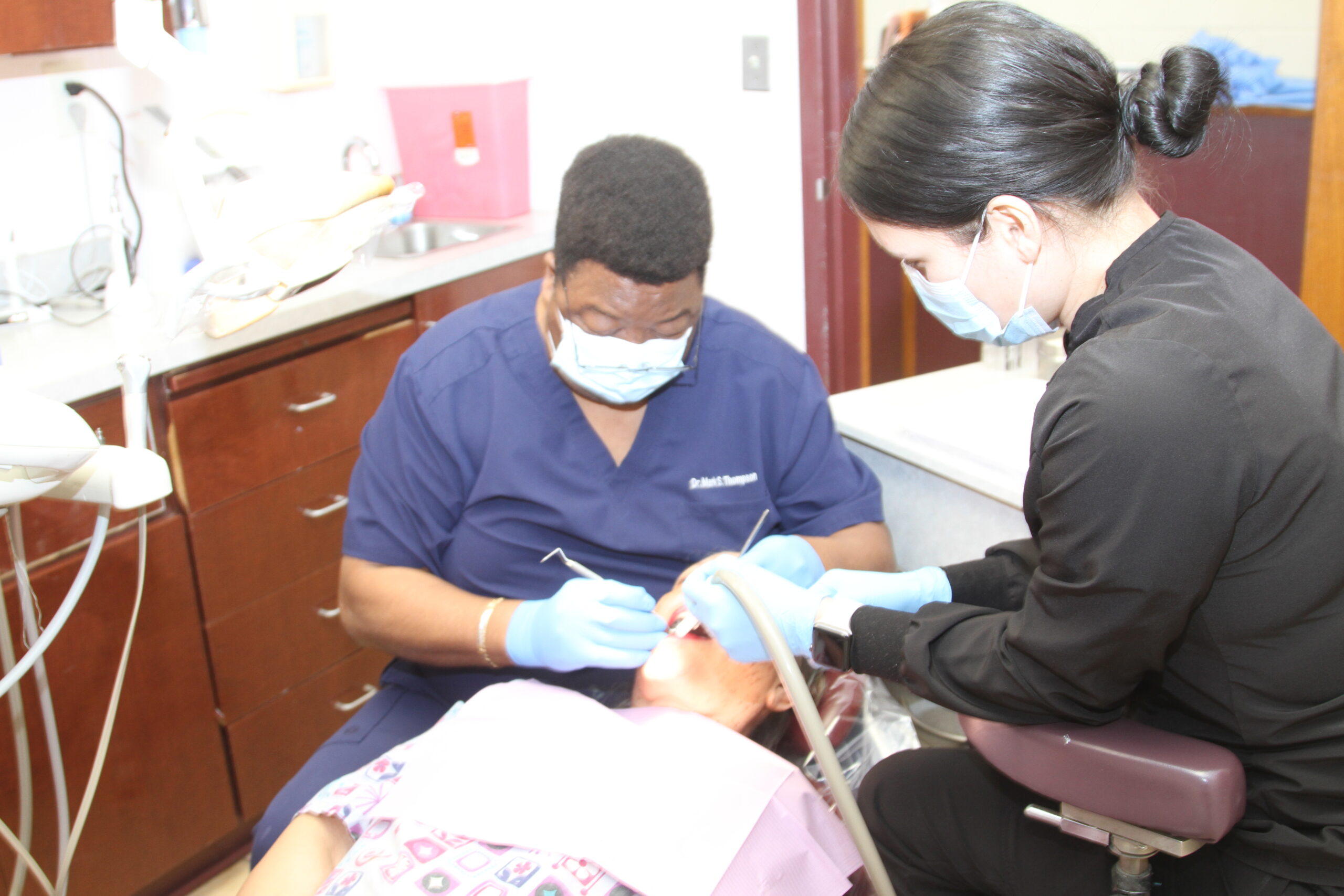
- The first appointment is usually short and gentle. The dentist will perform a simple exam of the teeth, gums, jaw, and oral tissues and may check bite development and speech-related issues if relevant.
- The dentist or hygienist will discuss feeding, sleeping, and oral hygiene habits that affect oral health (bottle-feeding, nighttime feeding, pacifier use, snacking).
- You’ll receive guidance on cleaning techniques, when to begin toothbrushing with fluoride toothpaste, and dietary tips to reduce sugar exposure.
- The clinician will assess risk for cavities and may recommend fluoride varnish or other preventive measures if needed.
- The visit is an opportunity for parents to ask questions about teething, thumb-sucking, teething pain relief, developmental concerns, or when to expect molars and canines.
How often should children see the dentist?
- For most children, routine visits are every six months, the same as adults. Some children at higher risk for cavities may need more frequent visits (every three to four months) for monitoring and preventive care.
- The dentist tailors recall intervals to each child’s risk level, dietary habits, oral hygiene, medical history, and developmental factors.
Benefits of early and regular dental care
- Prevents cavities and untreated decay that can cause pain, infection, difficulty eating, and problems with speech and development.
- Reduces the need for more extensive, invasive, and often costly treatments later in life.
- Supports healthy habits early, including proper toothbrushing technique, limiting sugary drinks and snacks, and safe oral habits.
- Detects developmental or anatomic issues (tongue-tie, early malocclusion, enamel defects) when they are easier to manage.
- Allows for timely guidance on pacifier use and thumb-sucking to prevent long-term bite problems.
Practical tips for parents before and after visits
- Start cleaning the baby’s mouth from day one: wipe gums with a clean, damp cloth after feedings. Once teeth erupt, use a soft infant toothbrush with water; introduce a smear (rice-sized) of fluoride toothpaste at about the time teeth appear or by the first birthday, per your dentist’s advice.
- Avoid putting your child to bed with a bottle containing milk, formula, juice, or sweetened drinks. If using a bottle for bedtime, the safest content is water.
- Limit sugary snacks and juices. Offer water between meals and encourage healthy snacks like plain yogurt, cheeses, fruits, and vegetables.
- Bring the child’s feeding and medical history to the first visit and any questions about medications, allergies, or developmental concerns.
- Model positive dental behavior. Children learn from parents — showing calm, positive attitudes about dental care helps reduce fear.
When you might need to see a dentist sooner
- Signs of tooth decay (white or brown spots on teeth), swollen or bleeding gums, persistent bad breath, or pain warrant earlier evaluation.
- Trauma to the mouth (a knocked-out tooth, broken tooth, or facial injury) requires immediate assessment.
- If your child has a chronic medical condition, is taking medications that reduce saliva, or is developmentally delayed, earlier or more frequent dental care may be recommended.
- Excessive thumb-sucking or prolonged pacifier use beyond age 2–4 may prompt consultation to prevent bite changes.
Teething and pain management
- Teething usually begins around 6 months but varies widely. Symptoms can include drooling, fussiness, chewing on objects, and disrupted sleep. Mild discomfort is normal.
- Use chilled (not frozen) teething rings and gentle gum massage. Acetaminophen or ibuprofen can be used for significant discomfort per pediatric dosing guidance; check with your pediatrician or dentist before giving medication.
- Avoid topical anesthetics with benzocaine for infants due to safety concerns.
Fluoride: protection and guidance
- Fluoride is a key preventive tool against cavities. Your dentist will advise on the appropriate use and amount of fluoride toothpaste and may recommend fluoride varnish applications in the office for babies and toddlers at risk of decay.
- If your drinking water lacks fluoride, your dentist may discuss supplementation for young children.
Behavior guidance and sedation
- Dentists trained in pediatric care use behavior guidance techniques (parent presence, tell-show-do, distraction) to keep visits safe and positive.
- For complex or invasive treatment in very young or anxious children, sedation or general anesthesia may be considered, but only when necessary and under strict protocols.
Transitioning to adult-style care
- As children grow, routine checkups, cleanings, and preventive education continue. Orthodontic evaluations are usually recommended by age 7 to identify early jaw or bite issues.
- Ongoing reinforcement of brushing twice daily with fluoride toothpaste, flossing when teeth touch, and limiting sugary drinks remains central to lifelong oral health.
In summary Taking children to the dentist by their first birthday or within six months of the first tooth is the best practice for preventing early decay, establishing a dental home, and educating caregivers. Regular dental visits — scheduled according to each child’s risk — paired with good home care and healthy dietary habits create the foundation for a lifetime of healthy smiles. If you’re unsure when to schedule your child’s first appointment or have specific concerns, call a pediatric dentist or your family dentist — they can advise a plan tailored to your child’s needs.
 Previous Post
 Next Post