How to Get Rid of a Toothache Fast: Causes, Remedies, and When to Call the Dentist
If you have ever experienced a sudden, throbbing toothache in the middle of the night, you know how desperate you can become for relief. In fact, “how to get rid of a toothache” is consistently one of the most searched dental questions on the internet. Tooth pain has a unique way of disrupting your entire life—it makes it impossible to eat, sleep, focus at work, or even have a normal conversation.
When tooth pain strikes, your first instinct is likely to look for quick, at-home remedies to make it stop. While there are several effective ways to manage the pain temporarily, it is absolutely vital to understand that a toothache is your body’s alarm system. It is a signal that something is wrong beneath the surface.
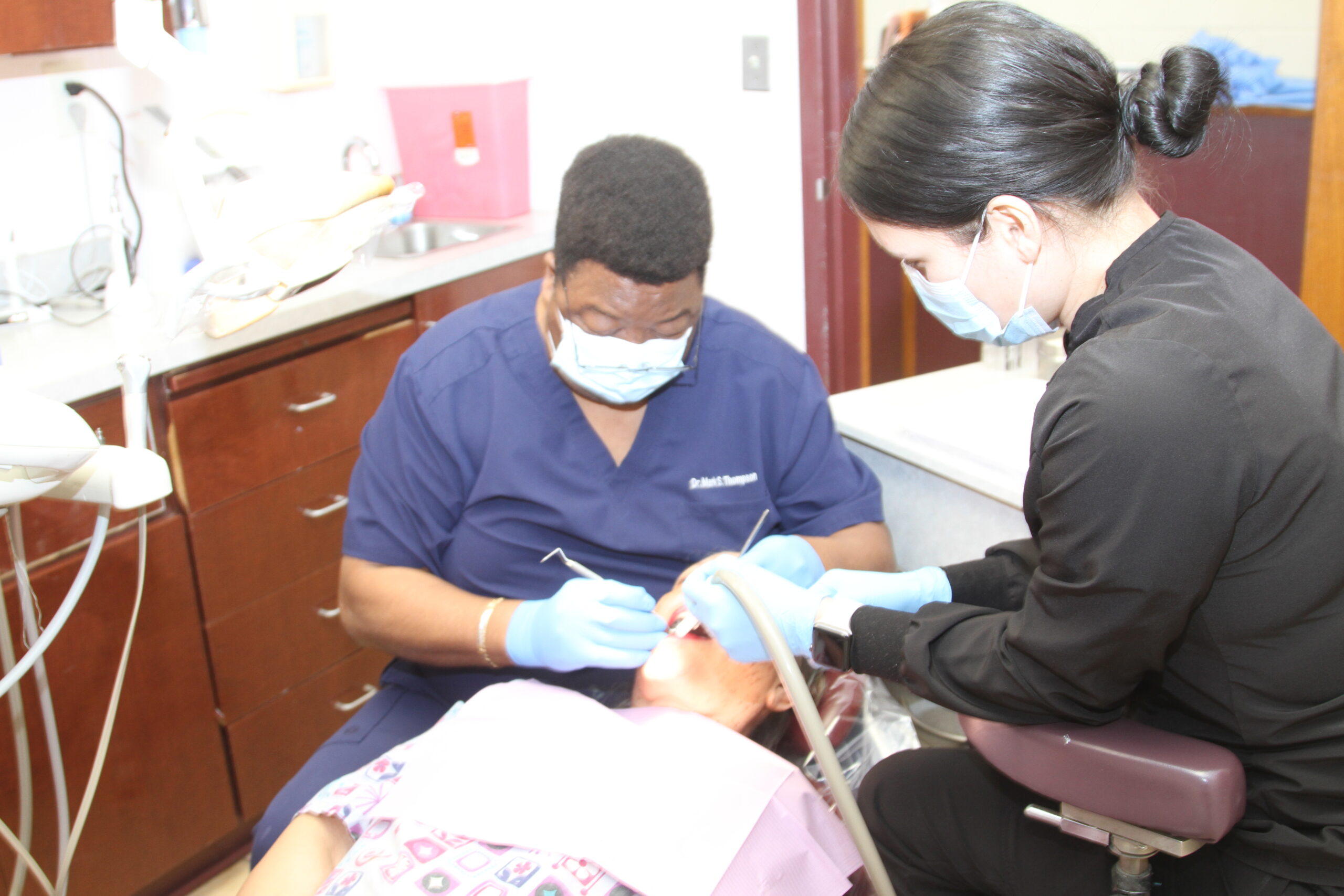
At Thompson’s Family Dentistry, we have helped countless patients get out of pain and back to their normal lives. If you are currently dealing with a toothache, here is a comprehensive guide to understanding what is causing your pain, how to find temporary relief at home, and exactly when you need to pick up the phone and call our office.
Understanding the “Why”: Common Causes of Toothaches
Teeth are not solid blocks of bone. Beneath the hard, outer layer of enamel and the softer dentin layer lies the dental pulp—a soft tissue core filled with highly sensitive nerves and blood vessels. When these nerves become irritated, inflamed, or infected, the result is severe pain.
Here are the most common culprits behind that throbbing ache:
1. Severe Tooth Decay (Cavities) This is the number one cause of toothaches. When bacteria in your mouth feed on sugars, they produce acids that eat away at your enamel, creating a hole (cavity). If a cavity is left untreated, the decay will eventually penetrate deep enough to reach the sensitive inner pulp, causing intense pain, especially when exposed to hot, cold, or sweet foods.
2. A Dental Abscess An abscess is a severe, localized infection at the base of a tooth root or between the tooth and the gum. It is usually the result of untreated severe decay, a cracked tooth, or untreated gum disease. The infection creates a pocket of pus, leading to intense, constant, throbbing pain, facial swelling, and sometimes a fever. This is a dental emergency.
3. A Cracked or Fractured Tooth You might crack a tooth by biting down on a popcorn kernel, chewing ice, or suffering a sports injury. Sometimes, these cracks are so small they don’t show up on standard X-rays, but they still allow bacteria to enter the pulp or cause the tooth to flex when you bite down, resulting in sharp, shooting pain.
4. Damaged Dental Work If an old filling comes loose, falls out, or if a dental crown cracks, the sensitive tissue underneath is suddenly exposed to the elements of your mouth, leading to rapid pain and sensitivity.
5. Gum Disease (Periodontitis) While early gum disease is often painless, advanced periodontal disease causes the gums to recede and pulls away from the teeth, exposing the sensitive tooth roots. It can also cause painful infections in the gum pockets.
6. Bruxism (Teeth Grinding) If you wake up with a dull, aching pain in multiple teeth and a sore jaw, you might be grinding your teeth in your sleep. Over time, this intense pressure wears down the enamel and severely irritates the nerves in your teeth.
7. Sinus Infection Believe it or not, your toothache might not be a dental issue at all. The roots of your upper molars sit extremely close to your sinus cavities. If you have a severe sinus infection or congestion, the pressure can push down on those dental roots, mimicking a classic toothache.
Temporary At-Home Remedies for Toothache Relief
If you are waiting for your appointment at Thompson’s Family Dentistry, or if a toothache strikes on a weekend, there are several at-home strategies you can use to temporarily manage the pain and reduce inflammation.
Please note: These remedies do not cure the underlying problem; they only mask the symptoms.
1. Saltwater Rinse This is a classic, highly effective first-line treatment. Saltwater acts as a natural disinfectant. It helps draw out fluids from the swollen tissues, reducing inflammation, and can wash away food debris that might be irritating the area.
- How to use: Dissolve half a teaspoon of salt into a glass of warm water. Swish the solution vigorously around your mouth for 30 seconds and spit it out. Do not swallow it. You can repeat this several times a day.
2. Cold Compress If your toothache is accompanied by swelling in your cheek or jaw, a cold compress is essential. The cold constricts the blood vessels in the area, significantly reducing the severity of the pain and bringing down the swelling.
- How to use: Wrap a bag of ice or a bag of frozen peas in a towel and apply it to the affected side of your face or jaw for 15 to 20 minutes at a time.
3. Over-the-Counter Pain Relievers Anti-inflammatory medications like Ibuprofen (Advil, Motrin) are generally the most effective over-the-counter options for dental pain because they tackle the inflammation in the nerve directly. Acetaminophen (Tylenol) can also help if you cannot take NSAIDs.
- Crucial Warning: Never crush an aspirin or any painkiller and place it directly on your gums or the aching tooth. This is an old wives’ tale that will cause severe chemical burns to your gum tissue. Always swallow the medication as directed.
4. Clove Oil Clove oil is a traditional remedy that contains eugenol, a natural anesthetic and antibacterial agent. It can effectively numb the nerve temporarily.
- How to use: Dab a very small amount of clove oil onto a cotton swab or a piece of cotton wool and gently apply it to the affected tooth and surrounding gum area. Be careful not to use too much, as it can be irritating to the tongue and throat.
5. Peppermint Tea Bags Peppermint has mild numbing properties and can soothe sensitive gums.
- How to use: Allow a used peppermint tea bag to cool down (you can even pop it in the freezer for a few minutes for a cooling effect) and apply it directly to the aching area in your mouth.
6. Keep Your Head Elevated When you lie down flat, blood pressure increases in your head, which can exacerbate the throbbing sensation of a toothache. When trying to sleep, prop your head up with several pillows to keep the blood flowing downward, which can help ease the pain.
When Is a Toothache a Dental Emergency?
While mild, transient sensitivity to a cold drink is common, a persistent toothache is never something you should ignore. You should contact Thompson’s Family Dentistry immediately if you experience any of the following:
- The pain lasts longer than 1-2 days.
- The pain is severe, throbbing, or wakes you up from sleep.
- You experience swelling in your gums, cheek, jaw, or face.
- You have a fever, a headache, or a foul taste/odor in your mouth (these are signs of an advanced infection or abscess).
- You experience pain when opening your mouth wide or have difficulty breathing or swallowing. (Seek immediate emergency medical care if this happens, as the infection may be spreading).
Don’t Suffer in Silence: Let Thompson’s Family Dentistry Help
Trying to wait out a severe toothache is a recipe for disaster. Dental problems do not heal themselves. A cavity will only get larger, and an infection will only spread deeper. By delaying professional care, a tooth that could have been saved with a simple filling may eventually require a complex root canal or an extraction.
At Thompson’s Family Dentistry, we prioritize dental emergencies. We understand how debilitating oral pain can be, and our team is dedicated to getting you into our clinic as quickly as possible. We use state-of-the-art diagnostic tools to pinpoint the exact cause of your pain and provide gentle, compassionate, and permanent solutions.
If you are dealing with a toothache that just won’t quit, please don’t rely on saltwater and painkillers forever. Contact Thompson’s Family Dentistry today so we can relieve your pain and protect the long-term health of your smile! Call Us today @ 910 875-3625
 Previous Post
 Next Post